

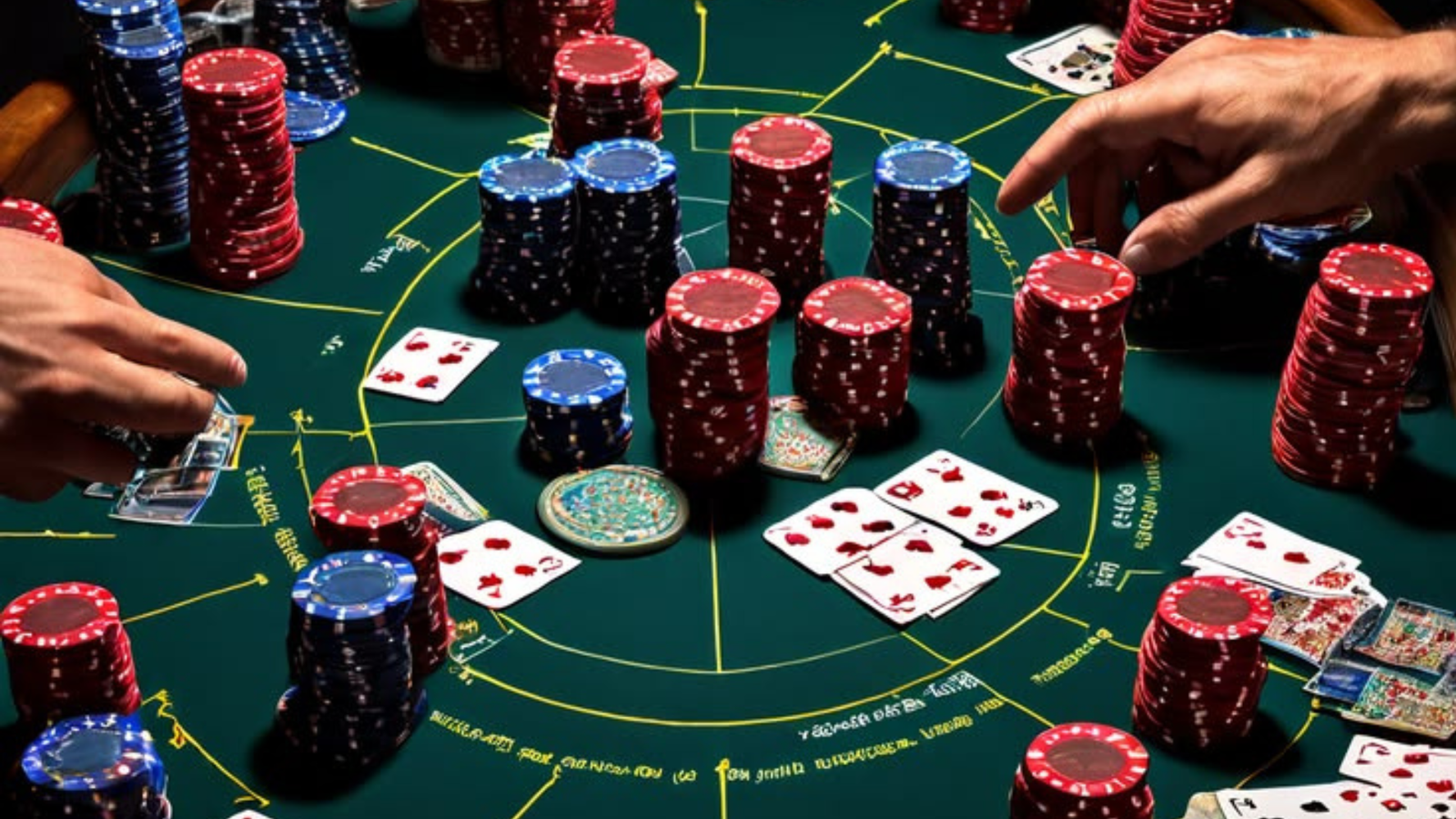
Few destinations evoke pure opulence quite like the gilded gaming halls perched along the French Riviera. Exploring Monte Carlo Casino history reveals a fascinating tale of desperation, royal ambition, and architectural brilliance. Back in the mid-nineteenth century, the House of Grimaldi faced total financial ruin after losing key agricultural territories. Princess Caroline proposed an audacious rescue plan by opening a luxury gambling establishment on a barren rocky promontory. Today, modern players still draw inspiration from that legendary heritage, whether visiting Monaco in person or enjoying digital tables from home. Just as nineteenth-century aristocrats required discreet credit lines to play, contemporary enthusiasts rely on smooth casino banking to manage their bankrolls effortlessly before placing a wager. Understanding how this iconic palace evolved from a bankrupt principality’s gamble into the world’s premier gaming venue offers rich lessons for every player.
A Desperate Royal Gamble in 1856
Monaco looked nothing like a billionaire playground during the 1850s. Poor roads isolated the tiny principality from neighbouring European capitals, while olive and citrus exports barely kept the treasury afloat. Consequently, Prince Charles III and his mother, Princess Caroline, needed an immediate economic lifeline to preserve their sovereignty.
Their first attempt at opening a modest gaming house in 1856 struggled badly due to terrible accessibility and lacklustre facilities. However, everything changed when François Blanc took over operations in 1863. Known across Europe as the Magician of Homburg, Blanc possessed an unmatched instinct for luxury hospitality and high-stakes psychology.
“Give the wealthy a palace worthy of their vanity, and they will happily pay for the privilege of losing their fortunes inside it.”
Blanc immediately poured capital into building a magnificent Belle Époque complex alongside grand hotels, lush gardens, and an opera house. Furthermore, the opening of the railway line from Nice in 1868 finally brought wealthy European aristocrats straight to the casino’s doorstep. Within a few short years, tax revenues exploded so dramatically that Prince Charles III abolished direct income taxes for Monegasque citizens in 1869.
Charles Garnier and the Architecture of Seduction
Architecture played a deliberate role in separating visitors from their gold coins. In 1878, François Blanc’s widow commissioned Charles Garnier, the visionary architect behind the Paris Opera House, to expand the venue. Garnier designed soaring frescoed ceilings, intricate stained-glass windows, and opulent bronze sculptures that intimidated and dazzled guests simultaneously.
Every gaming salon carries its own distinct personality and historical weight. The Salle Europe dazzles visitors with massive Bohemian crystal chandeliers, whereas the Salle Médecin houses private tables reserved for elite international high rollers. Walking across those polished parquet floors feels like stepping directly onto a classic cinema set.
Legendary Moments in Monte Carlo Casino History
Over more than sixteen decades, these marble halls have witnessed astonishing streaks of luck and audacious bank-breaking runs. Below are three defining episodes that cemented the venue’s global mystique:
-
The Man Who Broke the Bank: In July 1891, British fraudster Charles Wells won over a million francs at roulette across three days, inspiring the famous Victorian music hall song.
-
The Engineer Who Beat the Wheel: In 1873, Yorkshire mechanic Joseph Jagger hired six clerks to record wheel outcomes for weeks, discovering a mechanical bias that netted him hundreds of thousands of dollars.
-
The James Bond Connection: Ian Fleming drew direct inspiration from his wartime visits to Monaco when penning Casino Royale, later bringing film crews directly into the Salle Médecin for GoldenEye and Never Say Never Again.
Notice how Joseph Jagger’s triumph actually represents the birth of advantage play. Instead of relying on blind superstition, he used empirical data to spot physical imperfections in nineteenth-century roulette cylinders.
Practical Lessons for Modern Visitors in 2026
Visiting this historic landmark requires careful preparation even in 2026. Unlike casual Las Vegas resorts where flip-flops and hoodies pass without a second glance, Monaco enforces strict behavioral and sartorial standards. If you plan to step inside the private gaming rooms, follow these essential rules:
-
Pack formal evening attire, including a tailored blazer for men, especially if you intend to enter after eight in the evening.
-
Carry your physical passport, because security staff verify identity and enforce the strict ban preventing Monegasque citizens from gambling.
-
Check minimum table limits before sitting down, as European roulette and punto banco minimums climb steeply inside the inner salons.
-
Keep your smartphone tucked away inside gaming areas, since photography remains strictly prohibited once you pass the main atrium.
Respecting these traditions ensures a seamless, memorable evening at the tables. Moreover, observing the unhurried pace of French roulette dealers reminds players that gambling works best as refined entertainment rather than frantic button-mashing.
Why European Roulette Rules Still Matter Today
One enduring legacy of Monte Carlo Casino history sits printed right on the green felt layout. François Blanc popularized the single-zero roulette wheel specifically to give players better mathematical odds than rival German casinos offering double-zero layouts. That single zero cut the house edge nearly in half, dropping it to 2.70 percent.
Even better, Monaco still offers the traditional La Partage rule on even-money outside bets. Whenever the ivory ball lands on zero, players immediately recover half of their even-money wager instead of losing the entire stake. Therefore, smart players today still seek out single-zero European tables online and offline, proving that Blanc’s nineteenth-century mathematical innovation remains the gold standard for fair table gaming.

