

A large online casino catalogue can be useful only when it helps you compare games rather than encouraging random scrolling. For Canadian adults, the practical challenge is to identify the type of experience they want, understand how categories differ, and narrow the selection without assuming that a larger menu means better value. The lussurio online casino catalogue is described as covering slots, table games, live-dealer titles, instant games and other formats. A sensible approach is to begin with game structure, pace and personal limits before looking at individual titles.
Which game category matches the experience you want?
Slots are usually the easiest place to begin because they come in many formats and do not require decisions between every spin. Video slots commonly use reels, paylines or ways-to-win systems, while classic slots tend to present a simpler, more traditional layout. Progressive jackpot slots may advertise a prize that can grow over time, but the presence of a large potential payout does not make a game more likely to produce a result.
Table games suit players who prefer familiar rules and more visible decision-making. Roulette centres on predicting where a ball will land, while blackjack involves choosing actions based on the cards and the dealer’s upcard. Baccarat generally offers fewer decisions for the player, and video poker combines card rankings with a selection decision after the initial deal. These formats differ in pace, complexity and the amount of attention they demand.
Other categories provide shorter or more specialised sessions. Bingo and keno use number-based formats, scratch cards offer quick outcomes, and instant-win games are designed around a compact round. Crash games typically show a multiplier that rises until an unpredictable stopping point, making timing central to the presentation. A catalogue may also include dice, poker variants and game shows, so filtering by format can be more useful than browsing titles alphabetically.
How should you narrow a catalogue with thousands of titles?
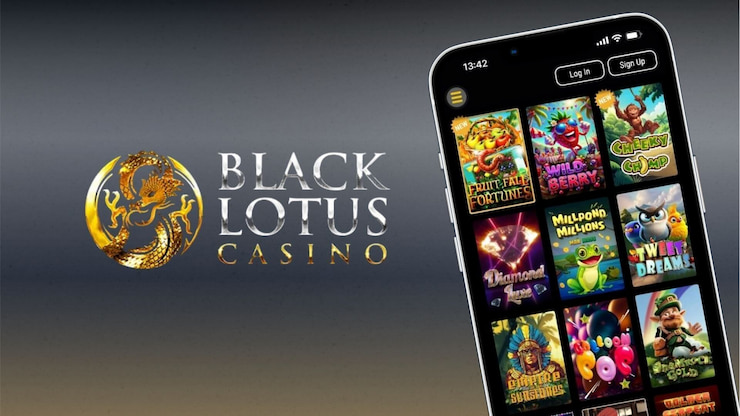
Start with two filters: game family and playing style. Someone looking for a quiet, low-interaction session might begin with classic slots or video poker. A player who enjoys decisions could examine blackjack or selected table games. Someone seeking a social presentation may prefer live-dealer roulette, baccarat or blackjack. This method reduces a very large catalogue to a manageable group without treating every available title as equally suitable.
Next, consider visual theme, round length and interface demands. A game based on elaborate bonus features may require more reading than a straightforward reel game. Live tables may involve longer sessions because a dealer and other participants shape the pace. Crash and instant-win formats can appear fast, but speed can also make it easier to continue without a deliberate pause. Choose a format whose rhythm allows you to remain aware of time and spending.
Provider names can help with organisation, but they should not be treated as a guarantee of quality or results. A provider filter may make it easier to find familiar mechanics, artwork or feature styles, while category navigation can separate jackpots, live content and table games. Short demonstrations or practice views may help you understand the controls, but they cannot establish how a game will perform over future play. Use filters to compare design, not to predict outcomes.
What should you compare before choosing a specific title?
Read the available information about the game before opening a real-money session. Important details can include the minimum and maximum stake, the number of paylines or win routes, bonus features and whether the title belongs to a progressive jackpot group. If the display provides return-to-player information or volatility terminology, treat it as descriptive context rather than a promise. Neither a published percentage nor a recent result tells you what the next round will produce.
Volatility is especially useful for understanding the shape of possible results, although it is not a prediction tool. A higher-volatility game may be associated with less frequent but more pronounced wins, while a lower-volatility design may present smaller outcomes more often. The actual experience can vary widely. Compare this information with the size of your planned stake and the length of session you can comfortably afford.
Also check whether the game belongs to a category with special conditions. Jackpot titles may have distinct prize structures, while live games can use different tables, limits or rules from their digital counterparts. Promotional funds may not contribute equally across slots, live dealer games, crash games, instant-win products and other categories. If a bonus is involved, read the offer’s game-contribution terms separately rather than assuming every title qualifies in the same way.
When is live casino a better fit than digital tables?
Live casino is designed to recreate a table environment through a streamed dealer, making it different from an automated digital game. The catalogue is described as including live blackjack, roulette, baccarat, poker variants and game-show formats, with Evolution and Ezugi among the named suppliers. This can appeal to players who value presentation, dealer interaction and a more recognisable casino atmosphere.
The trade-off is pace and concentration. A live table may involve a waiting period between rounds, and the presence of other participants can make sessions feel more continuous. Different tables may also have different limits or side-bet options. Before joining one, review the displayed rules, stake range and available betting areas. Do not add side bets simply because they are visible; understand what each selection changes before committing money.
Automated versions may be preferable when you want a simpler interface or more control over the speed of a session. Live games may be more engaging, but engagement is not evidence of better value. The Canadian Responsible Gambling Council provides general public information about gambling and safer-play considerations; its guidance should not be read as confirmation of any particular operator’s catalogue or terms. The useful comparison is the one that matches your attention, budget and preferred pace.
How can you keep game discovery from becoming impulsive?
Set a selection rule before browsing. For example, choose one category, compare three titles and decide whether any fits your intended session. This prevents an endless catalogue from turning into a reason to keep searching. You can also write down the game type, maximum stake and stopping point before beginning. A plan is easier to follow when it is decided before excitement, losses or a promotional message changes your mood.
Use the available account controls where appropriate. The supplied information describes deposit, wagering, loss, time and session limits, along with reality checks, cooling-off periods and self-exclusion. These tools have different purposes: a deposit limit controls funds added, a loss limit addresses net loss, and a time limit focuses on duration. Check the operator’s stated requirements for activating, changing or cancelling each control rather than assuming they work identically.
Finally, keep game discovery separate from chasing results. Moving from slots to roulette after a losing run does not improve the odds, and changing providers cannot repair an earlier outcome. If a session stops feeling recreational, pause rather than switching categories in search of a different result. A strong catalogue is useful when it helps you find an appropriate format; it is not a reason to play longer or spend more.
Questions about choosing casino games
Are more games automatically better?
No. A large catalogue offers variety, but it can also make comparison harder. The useful measure is whether you can identify clear categories, read the relevant game information and select a format that matches your preferred pace and budget. A smaller, familiar shortlist may be more practical than browsing thousands of titles.
Is a live-dealer game more favourable than an automated one?
Not automatically. Live-dealer games add a streamed table and human presentation, while automated games may offer faster navigation and simpler controls. The underlying rules, available bets and displayed terms matter more than the visual format. Compare the specific title and table conditions rather than assuming either version offers better results.
Can a game’s recent results help me choose the next one?
Recent results cannot reliably predict the next outcome of a chance-based game. A run of wins or losses may influence how a game feels, but it does not create a correction or a guaranteed follow-up result. Choose based on rules, pace, stake and entertainment value, then stop according to your predetermined limits.